Beginner’s Guide to Starting a Profitable Vending Machine Business
Starting a vending machine business in 2026 is one of the simplest ways to generate semi-passive income with low startup costs. With the right location, product selection, and basic management, even a single machine can produce steady monthly profit.
However, success is not just about buying a machine; it depends heavily on where you place it, what you sell, and how well you manage it. Many beginners fail because they skip these fundamentals. In this complete guide, you’ll learn exactly how to start, how much it costs, how much you can realistically earn, and how to avoid the most common mistakes.
Vending Machine Business: Why It's Still Profitable in 2026
The vending industry has changed dramatically over the past decade. What used to be a coin-operated business is now powered by cashless payments, mobile apps, and real-time inventory tracking.
One of the biggest drivers of growth is convenience. People want quick access to snacks, drinks, and essentials without waiting in line. Offices, gyms, apartment complexes, and hospitals all rely on vending machines to meet this demand.
Another factor is the shift toward contactless payments. Most modern machines now accept cards and mobile wallets, which significantly increase sales. Many operators report a noticeable jump in revenue after adding a card reader.
There’s also the appeal of flexibility. Unlike traditional businesses, you can start small, just one machine, and expand gradually. You can manage it alongside a full-time job, restocking in the evenings or on weekends.
That said, it’s important to stay realistic. This is not a set-it-and-forget-it. business. Machines require maintenance, restocking, and occasional troubleshooting. But compared to many other businesses, the effort is relatively low for the potential return.
How Much Does a Vending Machine Business Make?
One of the most common questions beginners ask is: How profitable is a vending machine business?
The answer depends on several key factors, including location, product selection, and machine type.
Average Monthly Revenue
A typical snack vending machine might generate between $200 and $600 per month, while a drink vending machine often performs slightly better due to consistent demand. Smart vending machines, which accept cashless payments and offer a better user experience, can generate even higher revenue when placed in the right locations.
Profit Margins Explained
Profit margins are generally strong because product markups are significantA bottle of water that costs $0.25 wholesale can easily sell for $1.50. After subtracting expenses such as inventory, commissions, and transaction fees, many operators still maintain healthy margins.
Let’s consider a simple example. If a machine sells 20 drinks per day at a $1 profit per drink, that’s $20 per day, or about $600 per month. After expenses, you might take home $400-$500 from a single well-performing machine.
However, not all machines perform equally. A poor location can result in very low sales, while a high-traffic area can significantly exceed these averages. This is why experienced operators emphasise one thing above all else: location matters more than anything.
Real-World Profit Example
Vending machines offer strong profit potential due to significant product markups.
- Daily profit = $20
- Monthly revenue ≈ $600
After expenses, a well-performing machine can generate approximately:
$400 – $500 net profit per month
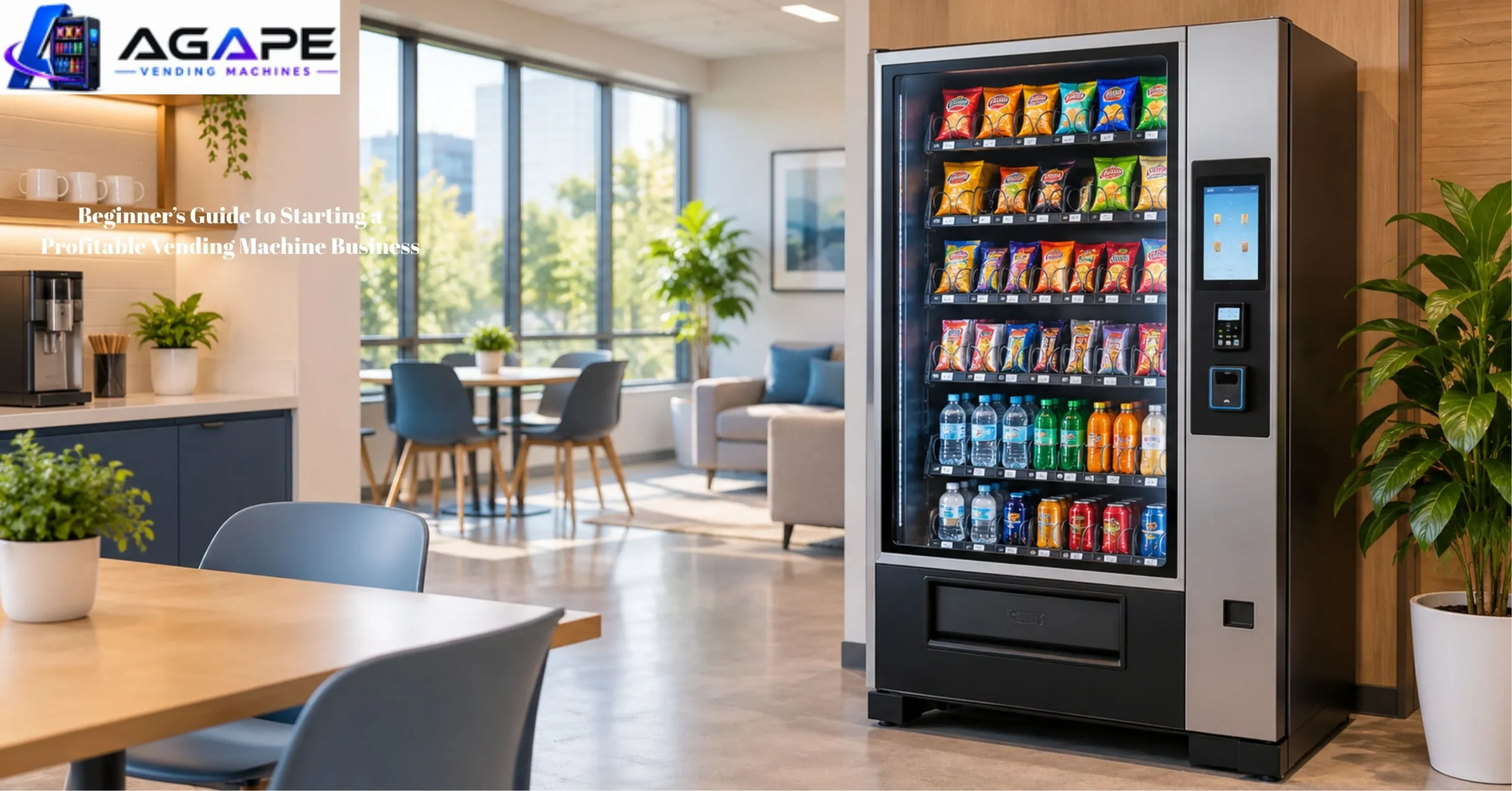
Step-by-Step Guide: How to Start a Vending Machine Business
Starting a vending machine business is simple on the surface, but doing it right makes all the difference. These steps will help you avoid beginner mistakes, choose smarter areas, and build a steady income over time.
1. Choose Your Niche
Start by deciding what type of vending machine you want to run: snacks, drinks, combo, or modern smart machines. Each option has different costs, maintenance needs, and profit potential. For beginners, combo machines are often the easiest because they offer flexibility. Think about your target location and what people are most likely to buy there.
2. Set Your Budget
Be clear about how much you’re willing to invest before you begin. A basic setup may cost $2,000-$3,000, while smart machines can go much higher. Include everything: machine cost, inventory, transportation, and small unexpected expenses. Having a realistic budget keeps you from overspending and helps you grow steadily without financial stress.
3. Research Your Market
Take time to understand what sells and where. Visit local places such as gyms, offices, hospitals, and laundromats to see which products people actually buy. Notice pricing, product types, and foot traffic. This step helps you avoid guessing and gives you a clear idea of what will work in your location.
4. Create a Simple Plan
You don’t need a long business plan, just a clear one. Outline your startup cost, expected monthly expenses, product pricing, and income goals. Knowing your numbers helps you stay focused and make smarter decisions. It also gives you a roadmap to follow as your business grows.
5. Register Your Business
Make your business official by registering it and getting any required licenses or permits. Many people choose an LLC for basic protection, but requirements depend on your area. Setting this up early keeps you compliant and avoids problems later when you start earning.
6. Find a Good Location
Location is the most important factor in your success. Look for places with steady foot traffic, such as offices, gyms, apartment buildings, or laundromats. Talk directly to owners or managers and offer a simple deal, free machine placement with a small commission. A strong location can outperform multiple weak ones.
In practice, many vending business owners report that a single well-placed machine in a busy workplace can outperform several machines in poor locations combined.
7. Buy a Vending Machine
Choose between new, used, or refurbished machines based on your budget. Used machines are cheaper and great for starting out, but always test them before buying. Check payment systems, cooling (for drinks), and overall condition. Stick with trusted brands to avoid repair headaches later.
8. Stock Your Machine
Fill your machine with products people already love, popular snacks, drinks, and everyday items. Avoid guessing based on your personal taste. Start with proven best-sellers, then adjust based on what actually sells. Smart product selection can quickly boost your profits.
Experienced operators often track weekly sales and remove slow-moving products within the first 2-3 weeks to maximise machine performance.
9. Set Up Payments
Modern customers expect convenience, so offering cashless payment is a big advantage. Install a card reader or mobile payment system if possible. While it adds a small fee, it usually increases sales because people are more likely to buy when they don’t need cash.
10. Maintain & Grow
Your job doesn’t end after setup. Restock regularly, keep the machine clean, and fix issues quickly. Track which products sell best and replace slow-moving items. As you start making a profit, reinvest in more machines and better locations to grow your income over time.
Best Vending Machines for Beginners
Not all vending machines are created equal, and your choice will directly impact your startup cost and ongoing operations.
Snack vending machines are popular because they offer a wide range of products. You can experiment with different items and quickly adjust based on what sells. However, they often require more frequent restocking.
Drink vending machines are known for their reliability. People consistently buy beverages, especially in hot climates or high-activity environments like gyms and schools. These machines tend to be heavier and require refrigeration, which adds maintenance considerations.
Smart vending machines represent the modern evolution of the industry. They come equipped with touchscreens, cashless payment systems, and remote monitoring. These features can significantly improve sales, but they also come with higher upfront costs.
For most beginners, a combo machine is the best starting point. It allows you to offer both snacks and drinks without doubling your investment. Once you understand your market and gain experience, you can expand into more specialised machines.
How to Find Profitable Vending Machine Locations
If there is one factor that determines success in this business, it’s location. Even the best machine with the best products will struggle in a low-traffic area. The goal is to find places where people naturally need quick access to snacks and drinks. Offices are a strong option because employees often look for convenient options during breaks. Gyms are another excellent choice, especially for drink machines. Laundromats, car washes, and apartment complexes also offer steady traffic.
Finding these locations often requires direct outreach. Walking into a business and speaking with the owner or manager can be surprisingly effective. You don’t need a complex pitch; just explain that you provide vending services at no cost to them and offer a small commission on sales.
It’s also helpful to look for locations that don’t already have vending machines. These are opportunities to introduce a new service rather than compete with an existing one.
When you secure a location, it’s important to have a simple agreement in place. This should outline the commission percentage, restocking schedule, and duration of the arrangement. Having everything in writing helps prevent misunderstandings later.
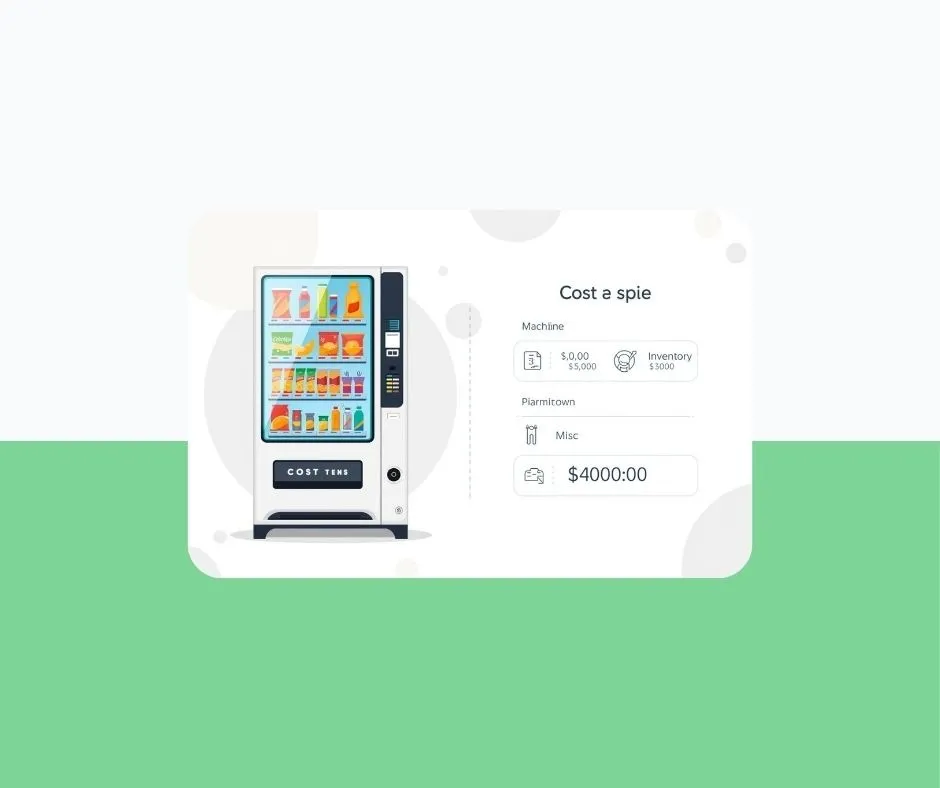
Startup Costs & Investment Breakdown
One of the biggest advantages of this business is the low startup cost.
Here’s a realistic breakdown:
|
Item |
Low Budget (Used) |
High Budget (Smart) |
|
Vending Machine |
$800 – $1,500 |
$4,000 – $7,000 |
|
Card Reader |
$250 – $400 |
$250 – $400 |
|
Initial Inventory |
$200 – $400 |
$300 – $600 |
|
Licenses & Permits |
$150 – $300 |
$150 – $300 |
|
Insurance |
$300 – $500 |
$300 – $500 |
|
Miscellaneous |
$100 – $200 |
$100 – $200 |
|
Total |
$1,800 – $3,300 |
$5,100 – $9,000 |
Most beginners start in the lower range and scale later.
Smart Vending Machines & Cashless Payments
Technology has transformed the vending machine business in recent years. Cashless payments are now a standard feature, and they have a direct impact on sales. When customers can pay with a card or mobile wallet, they are more likely to make a purchase. Many operators report a significant increase in revenue after adding a cashless payment system. In real cases, adding card and mobile payment options can increase total sales by 20% to 40%, especially in locations where people rarely carry cash.
Smart vending machines take this a step further by offering remote monitoring. You can track sales, monitor inventory levels, and receive alerts when something goes wrong. This reduces the need for frequent manual checks and makes your operation more efficient.
While these features are valuable, they are not essential for beginners. You can start with a basic machine and add a card reader later. As your business grows, upgrading to a fully smart system becomes a logical next step.
Smart Vending Machines & Cashless Payments
Many beginners make the same mistakes when starting out, and these errors can significantly impact profitability. One of the most common mistakes is buying a machine before securing a location. Without a place to put it, your investment sits idle and generates no income. Another mistake is ignoring the importance of relationships with location owners. A good relationship ensures long-term stability, while a poor one can result in losing your spot. Overpaying for equipment is also a frequent issue. It’s important to research market prices and inspect machines carefully before purchasing. Product selection is another critical factor. Stocking items based on personal preference rather than demand can lead to poor sales. Successful operators rely on data and adjust their inventory based on performance.
Finally, some beginners skip insurance, assuming the risk is low. While problems are rare, having coverage protects you from unexpected situations.
Based on real-world operator experience, the majority of vending machine failures are not due to the machines themselves but to poor location selection and a lack of regular maintenance.
How to Scale Your Vending Machine Business
Once your first machine becomes profitable, scaling becomes the next goal. Growth in this business is straightforward: you reinvest your profits into additional machines and locations. Many operators follow a simple approach. After a few months of consistent profit, they purchase a second machine. As income increases, they continue adding machines at a steady pace. Efficiency becomes more important as you grow. Buying inventory in bulk reduces costs, and organising your route minimises travel time. Some operators eventually hire part-time help to handle restocking. Scaling also involves diversification. Placing machines in different types of locations reduces risk and ensures consistent income. Over time, a small operation can evolve into a full vending route with multiple machines generating steady revenue.
FAQs About Vending Machine Business
Yes, most areas require a business license to start a vending machine business. You may also need permits, sales tax registration, and health permits if selling food or drinks. Requirements vary by location.
A vending machine business is semi-passive. It requires regular restocking, maintenance, and location management, but with efficient systems it can generate steady income with limited daily effort.
Specialty vending machines such as coffee, fresh food, or smart vending machines tend to be the most profitable due to higher pricing, better margins, and cashless payment options.
Yes, starting with one vending machine is common. Many beginners test a location, learn customer demand, and then scale by adding more machines over time.
A vending machine can generate around $200 to $600 per month depending on location, product selection, and machine type. High-traffic locations can produce higher profits.
Final Thoughts
Starting a vending machine business in 2026 remains one of the most practical ways to generate extra income without a complex setup.
You don’t need a huge investment or a big team, you just need:
- A good location
- Smart product choices
- Consistent management
Start small. Learn from your first machine. Then scale.